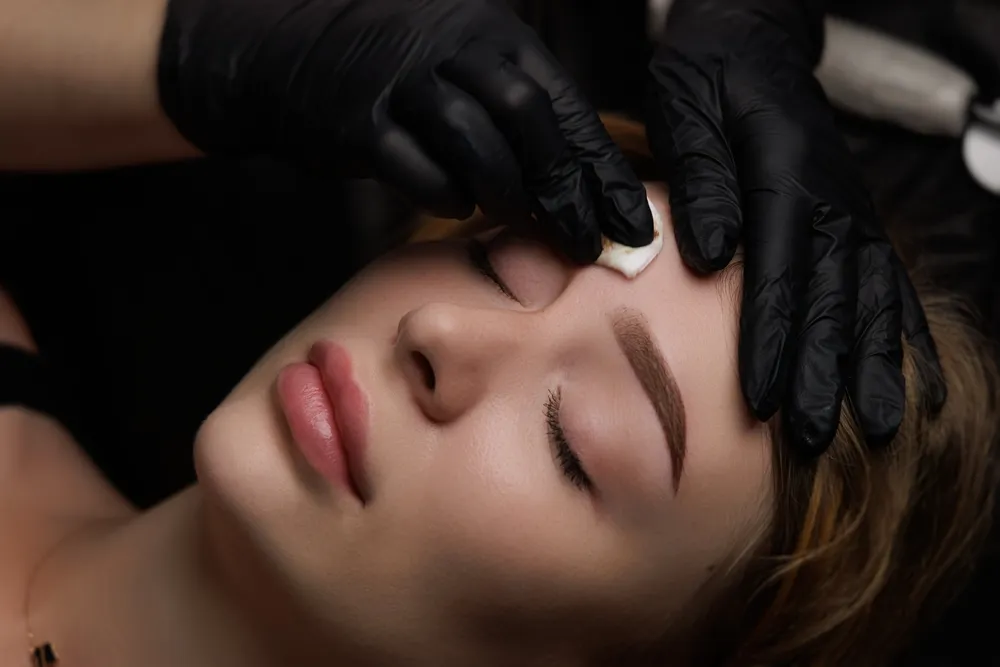
Exploring the Longevity of Permanent Makeup: How Long Does It Really Last?
Permanent makeup has become one of the most popular beauty treatments in recent years, offering individuals the chance to wake up with flawless brows, eyeliner, or lip color without daily effort. However, one of the most common questions clients ask before committing is: how long does permanent makeup last? While the word “permanent” suggests a lifetime, the reality is more nuanced. The lifespan of permanent makeup depends on several factors, from the technique used to the individual’s skin type and aftercare. In this article, we will explore the truth behind permanent makeup’s longevity, providing clarity for those considering this cosmetic investment.
Understanding What Permanent Makeup Really Is
Permanent makeup, also known as micropigmentation, is a cosmetic tattooing technique where specialized pigments are deposited into the upper layers of the skin. Unlike traditional body tattoos, which use inks that penetrate deeper into the dermis, permanent makeup involves pigments designed to fade over time. This is intentional, as facial features and beauty trends change, and having makeup fade allows for adjustments or complete removal if desired.
When asking how long does permanent makeup last, it’s important to first understand that the term “permanent” is relative. While the pigment particles remain in the skin indefinitely, their appearance gradually fades as the body metabolizes and breaks them down. This fading effect is what sets permanent makeup apart from traditional tattooing and gives it a semi-permanent quality.
The average timeframe for visible results typically ranges from one to five years, but this can vary greatly. Eyebrows may require more frequent touch-ups than eyeliner or lip blushing, and the intensity of the initial procedure also plays a role.
Factors That Influence Longevity
Several factors determine how long permanent makeup remains visible before fading. These include both external and internal elements that affect pigment retention.
Skin type is one of the most influential factors. Individuals with oily skin may experience faster pigment breakdown compared to those with normal or dry skin. The natural oil production can cause pigments to blur or fade more quickly, especially in delicate areas like the eyebrows.
Lifestyle habits also play a significant role. Regular sun exposure accelerates fading since ultraviolet rays break down pigments over time. People who frequently use exfoliating skincare products, such as retinols or chemical peels, will also notice faster fading due to increased cell turnover.
The skill and technique of the artist are equally critical. Experienced practitioners know how to implant pigment at the correct depth and choose shades that complement the client’s natural undertones. Poor technique may lead to uneven fading or premature pigment loss. Additionally, the quality of pigments used varies across studios. High-quality pigments are more stable and designed to fade naturally without undesirable color shifts.
Finally, aftercare is perhaps the most controllable factor. Following professional guidance on healing, such as keeping the area clean, avoiding excessive sweating, and not picking at scabs, ensures better pigment retention and longer-lasting results.
The Longevity of Specific Procedures
Different types of permanent makeup last for different lengths of time. Eyebrows, eyeliner, and lip procedures each fade at their own pace due to differences in skin texture and usage.
Eyebrow tattooing, which includes techniques such as microblading and powder brows, typically lasts between one and three years. Because brows are exposed to sunlight and skincare products, they often require more frequent touch-ups. Microblading, which creates fine hair-like strokes, may fade faster than powder brows, which deposit pigment in a shaded gradient.
Eyeliner tattoos tend to last longer, often three to five years, because the skin around the eyes is less exposed to environmental factors. However, individual factors like oily eyelids or frequent use of certain makeup removers can shorten their longevity.
Lip blushing is another popular form of permanent makeup that enhances the natural color of the lips. This procedure usually lasts two to four years. The lips metabolize pigment differently than other areas, and habits such as smoking or frequent sun exposure can cause the pigment to fade more quickly.
In all cases, clients should expect to schedule touch-up sessions to maintain vibrancy. A common recommendation is to plan for a touch-up every 12 to 18 months for eyebrows and every few years for eyeliner and lips.
The Role of Touch-Ups and Maintenance
One of the key elements in understanding how long permanent makeup lasts is recognizing the importance of touch-ups. No matter the procedure, pigments will eventually fade, and touch-ups are essential to refresh the color and maintain the desired look.
The first touch-up typically occurs four to eight weeks after the initial session. This ensures that any areas where pigment did not retain properly can be corrected. After this, most people choose maintenance appointments every one to two years, depending on how quickly their pigment fades.
Proper maintenance also includes protecting the skin from unnecessary pigment loss. Using sunscreen daily, especially on exposed areas like the brows, can significantly slow fading. Gentle skincare practices that avoid harsh exfoliation in treated areas also extend the results. By combining touch-ups with good habits, clients can maximize the longevity of their permanent makeup.
What to Expect in the Long Term
Over the years, permanent makeup will gradually soften and lighten. For many people, this is beneficial, as it allows for flexibility in adjusting style preferences. For example, someone who opted for bold brows in their twenties may prefer a softer look in their thirties or forties. The natural fading process accommodates these changes.
In some cases, pigments may fade unevenly, leaving a shadow or slight discoloration. This is why choosing a skilled artist who uses high-quality pigments is essential. Modern pigments are formulated to fade naturally into softer tones rather than turning unnatural colors such as blue, green, or orange, which was more common with older formulas.
It is also important to recognize that permanent makeup is a commitment. While removal is possible through laser or saline treatments, it can be time-consuming and costly. For this reason, clients should approach permanent makeup with realistic expectations and a willingness to maintain it through touch-ups.
Conclusion
So, how long does permanent makeup last? The answer is not a fixed number of years but rather a range influenced by numerous factors. On average, results remain visible for one to five years, with brows often requiring more frequent upkeep, eyeliner lasting the longest, and lips falling somewhere in between. Longevity depends on skin type, lifestyle, sun exposure, pigment quality, and the expertise of the artist.
With proper care and regular touch-ups, permanent makeup can provide years of convenience, confidence, and effortless beauty. For those considering the procedure, understanding the commitment to maintenance is as important as appreciating the initial results. By managing expectations and investing in a skilled professional, permanent makeup can be a long-lasting enhancement that evolves gracefully with time.
Need Permanent Makeup Services Near You?
At Deena Cosmetics Sylva Studio, we’re passionate about helping you feel confident, radiant, and beautiful every day! Whether you’re looking for expert hair and nail services, flawless permanent makeup, rejuvenating skincare, or transformative hair restoration and extensions, our family-run, female-led team is here to create a personalized experience just for you. We invite you to book your free consultation today and discover how our dedicated stylists and specialists can bring your beauty goals to life. Let us pamper you — because you deserve it!
